

What are the hygroscopic properties of swivel joints?
May 19, 2025
Leave a message
Hey there! As a supplier of Swivel Joints, I've been getting a lot of questions about the hygroscopic properties of these nifty pieces of equipment. So, I thought I'd take some time to break it down for you all.
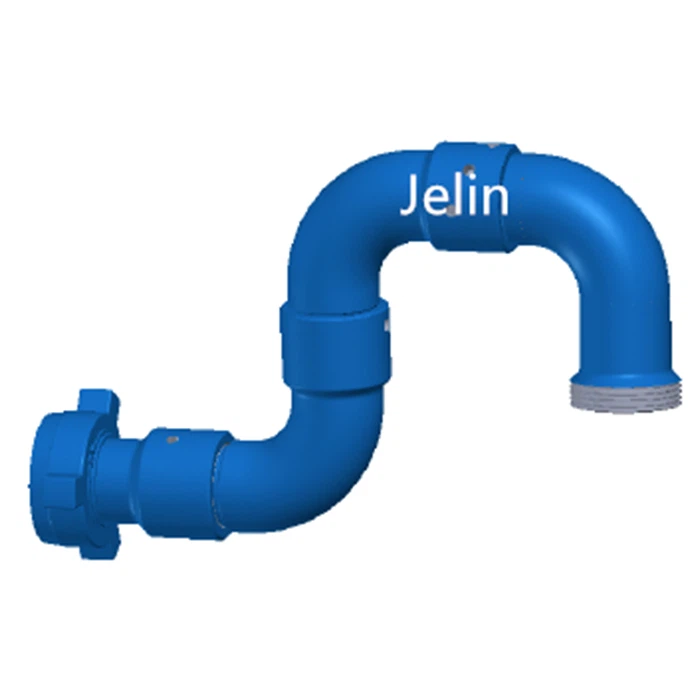
First off, let's talk about what hygroscopic means. In simple terms, a hygroscopic material is one that can attract and hold water molecules from the surrounding environment. This can have a big impact on the performance and longevity of the materials it affects. When it comes to swivel joints, understanding their hygroscopic properties is crucial, especially if they're going to be used in environments where moisture is present.
Swivel joints are used in a wide range of industries, from oil and gas to manufacturing and beyond. They allow for flexible movement and rotation in piping systems, which is super important for ensuring smooth operations. But when moisture gets involved, things can get a little tricky.

The materials used to make swivel joints play a huge role in their hygroscopic properties. Most commonly, swivel joints are made from metals like stainless steel, carbon steel, or aluminum. These metals generally have low hygroscopicity, which means they don't absorb water easily. Stainless steel, for example, is known for its corrosion resistance, which is partly due to its low affinity for water. This is great news for swivel joints because it means they're less likely to rust or corrode when exposed to moisture.
However, not all parts of a swivel joint are made of metal. Some components, like seals and gaskets, are often made from elastomers or polymers. These materials can be more hygroscopic than metals. Elastomers, such as rubber, have a higher tendency to absorb water. When they absorb water, they can swell, which can lead to changes in their physical properties. This swelling can affect the sealing performance of the swivel joint, potentially causing leaks.
Another factor to consider is the environment in which the swivel joint is used. If it's in a humid climate or near a water source, the chances of moisture absorption are higher. For example, in offshore oil and gas operations, swivel joints are constantly exposed to saltwater and high humidity. In these conditions, even the most moisture-resistant materials can face challenges.
The hygroscopic properties of swivel joints can also impact their lubrication. Lubricants are essential for reducing friction and wear in swivel joints. But if the joint absorbs water, it can contaminate the lubricant. Water can cause the lubricant to break down, reducing its effectiveness and potentially leading to increased wear and tear on the joint.
So, what can be done to mitigate the effects of hygroscopicity in swivel joints? One solution is to choose the right materials. As I mentioned earlier, stainless steel is a great choice for the main body of the swivel joint because of its low hygroscopicity and corrosion resistance. For seals and gaskets, you can look for materials that are specifically designed to be moisture-resistant.
Proper maintenance is also key. Regular inspections can help detect any signs of moisture absorption or damage early on. If water is detected, the joint can be dried out and the lubricant can be replaced if necessary.
Now, let's talk about how our swivel joints stack up. We take pride in offering high-quality swivel joints that are designed to withstand the challenges of various environments. Our swivel joints are made from top-grade materials, and we pay close attention to the selection of seals and gaskets to ensure they have low hygroscopicity.
If you're in the market for swivel joints, you might also be interested in our other flowline products. We offer Hammer Union, which are used for connecting pipes in high-pressure applications. And our Pup Joints/Loops are great for adding flexibility and adjusting the length of piping systems. Of course, our Swivel Joints are designed to provide smooth rotation and reliable performance.
Whether you're working in the oil and gas industry, manufacturing, or any other field that requires flexible piping solutions, our swivel joints can meet your needs. If you have any questions or want to learn more about our products, don't hesitate to reach out. We're here to help you find the right solutions for your projects.
In conclusion, understanding the hygroscopic properties of swivel joints is essential for ensuring their long-term performance and reliability. By choosing the right materials and implementing proper maintenance practices, you can minimize the impact of moisture on your swivel joints. If you're interested in purchasing swivel joints or any of our other flowline products, we'd love to have a chat with you. Just get in touch, and we can start discussing your requirements.
References
- "Materials Science and Engineering: An Introduction" by William D. Callister Jr. and David G. Rethwisch
- Industry reports on flowline products and their applications.