

Can swivel joints be used in food - processing equipment?
May 20, 2025
Leave a message
Can Swivel Joints Be Used in Food - Processing Equipment?
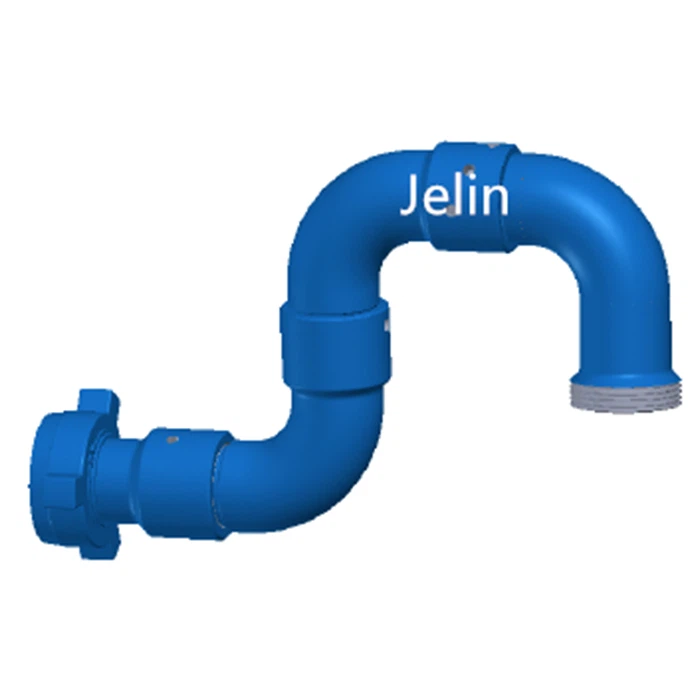
As a supplier of Swivel Joints, I've often been asked about the suitability of our products for food - processing equipment. This is a critical question given the strict regulations and high - standard requirements in the food industry. In this blog, I'll explore whether swivel joints can indeed be used in food - processing equipment, considering factors such as material compatibility, hygiene, and performance.
Material Compatibility
One of the primary concerns when using any component in food - processing equipment is the material's compatibility with food. Swivel joints are available in a variety of materials, and the choice depends on the specific application in the food industry.
Stainless steel is a popular choice for swivel joints in food - processing environments. It is corrosion - resistant, which is essential as food products often contain acids, salts, and other substances that can cause corrosion over time. Stainless steel also has a smooth surface finish, which makes it easy to clean and reduces the risk of bacteria growth. For example, in dairy processing, where milk can leave residues that may promote microbial growth, stainless - steel swivel joints ensure a hygienic connection.
Another material option is food - grade plastics. These plastics are designed to meet strict food - contact regulations. They are lightweight, which can be an advantage in certain applications where weight is a concern. Additionally, they are resistant to many chemicals commonly found in food products. However, they may not be as durable as stainless steel in high - pressure or high - temperature applications.
When choosing a swivel joint for food - processing equipment, it's crucial to ensure that the materials used comply with relevant food safety standards, such as the FDA (Food and Drug Administration) regulations in the United States or the EU food contact regulations in Europe.
Hygiene Considerations
Hygiene is of utmost importance in the food industry. Swivel joints need to be designed in a way that they can be easily cleaned and sanitized.
Sealing is a key aspect of maintaining hygiene. A well - sealed swivel joint prevents the ingress of contaminants, such as dirt, dust, and microorganisms. Our Swivel Joints are equipped with high - quality seals that are specifically designed to withstand the cleaning agents and sanitizers used in food - processing facilities. These seals are also resistant to wear and tear, ensuring a long - lasting and reliable barrier against contaminants.
The design of the swivel joint also plays a role in hygiene. Joints with smooth surfaces and minimal crevices are easier to clean. Complex designs with hidden corners or hard - to - reach areas can trap food particles and bacteria, increasing the risk of contamination. Our swivel joints are engineered with a focus on simplicity and cleanability, making them suitable for use in food - processing environments.
Performance Requirements
Food - processing equipment often operates under specific conditions, and the swivel joints need to meet these performance requirements.
In terms of pressure, food - processing applications can vary widely. For example, in high - pressure homogenization processes, swivel joints need to be able to withstand pressures of several thousand pounds per square inch. Our swivel joints are available in different pressure ratings, allowing us to provide the right solution for each specific application.
Temperature is another important factor. Some food - processing operations, such as pasteurization or cooking, involve high temperatures. Swivel joints need to maintain their integrity and performance at these elevated temperatures. Our products are designed to handle a wide range of temperatures, from cryogenic conditions in frozen food processing to high - heat applications in baking and canning.
Flexibility is also crucial in food - processing equipment. Swivel joints allow for movement and rotation, which is necessary for equipment such as conveyor systems, filling machines, and mixing tanks. Our swivel joints offer a high degree of flexibility, enabling smooth operation and easy adjustment of equipment components.
Comparison with Other Components
In food - processing equipment, there are other components that can be used in place of or in conjunction with swivel joints. Pup Joints/Loops and Hammer Union are two such examples.
Pup joints/loops are often used for making connections in piping systems. They provide a rigid connection and are suitable for applications where minimal movement is required. However, they lack the flexibility that swivel joints offer. In food - processing equipment where there is a need for rotation or movement, swivel joints are a better choice.
Hammer unions are known for their quick - connect and disconnect features. They are commonly used in high - pressure applications in the oil and gas industry. While they can be used in some food - processing applications, they may not be as hygienic as swivel joints. Hammer unions often have more complex designs with threads and seals that can be difficult to clean thoroughly.
Case Studies
To illustrate the successful use of swivel joints in food - processing equipment, let's look at a few case studies.
In a large - scale fruit juice processing plant, swivel joints were installed in the filling machines. The swivel joints allowed for easy adjustment of the filling nozzles, ensuring accurate filling of bottles. The stainless - steel construction of the swivel joints was resistant to the acidic nature of the fruit juices, and the smooth surface made it easy to clean between batches. As a result, the plant was able to maintain high - quality production and meet strict hygiene standards.

In a meat - processing facility, swivel joints were used in the conveyor systems. The flexibility of the swivel joints allowed for smooth movement of the meat products along the conveyor, reducing the risk of damage. The joints were also easy to clean, which was essential in preventing cross - contamination between different meat products.
Conclusion
In conclusion, swivel joints can be effectively used in food - processing equipment. With the right choice of materials, proper design for hygiene, and the ability to meet performance requirements, swivel joints offer a reliable solution for various food - processing applications.
If you are in the food - processing industry and are considering using swivel joints in your equipment, we would be more than happy to discuss your specific needs. Our team of experts can provide you with detailed information about our products, including their features, specifications, and how they can be customized to fit your requirements. Contact us to start a procurement discussion and find the best swivel joint solution for your food - processing equipment.
References
- Food and Drug Administration (FDA). "Food Contact Substances Notification Program."
- European Union. "Regulations on Food Contact Materials."
- Industry reports on food - processing equipment and components.