

What is the quality control system of the Hammer Union?
Jul 23, 2025
Leave a message
Hey there! As a supplier of Hammer Unions, I'm super stoked to dive into the nitty - gritty of our quality control system. You know, in the industrial world, the Hammer Union is a crucial component, especially in high - pressure fluid transfer applications. So, having a top - notch quality control system is non - negotiable for us.
Let's start from the very beginning, the raw material stage. We source our materials from trusted suppliers only. Before we even think about using any batch of raw material, it goes through a series of rigorous tests. We check the chemical composition to make sure it meets the industry standards. For example, the steel we use for the Hammer Union bodies should have the right amount of carbon, manganese, and other elements. If the chemical composition is off, it can affect the strength and durability of the final product.
We also conduct physical tests on the raw materials. Tensile strength tests are a big deal. We want to know how much pulling force the material can withstand before it breaks. This is crucial because Hammer Unions often operate under high - pressure conditions, and they need to be strong enough to handle that. We also check the hardness of the materials. A material that's too soft might wear out quickly, while one that's too hard could be brittle and prone to cracking.
Once the raw materials pass these initial tests, they're ready to enter the manufacturing process. At every step of the manufacturing, we have quality control checkpoints. For instance, during the machining process, we use precision measuring tools to ensure that all the dimensions of the Hammer Union parts are accurate. Even a tiny deviation in the size of a critical part can lead to a faulty connection or a leak in the system.
We have automated inspection systems in place that use lasers and cameras to detect any surface defects, like scratches or dents. These might seem like minor issues, but in a high - pressure environment, they can become weak points and cause failures. And if any part doesn't meet our strict quality criteria at this stage, it's immediately rejected.
After the parts are machined, they go through an assembly process. Here, we have trained technicians who carefully put together all the components of the Hammer Union. They follow a detailed assembly guide to make sure everything is installed correctly. And once the assembly is done, another round of inspections takes place. We check for proper alignment of the parts, and make sure that all the seals and gaskets are in place and functioning properly.
One of the most important tests we conduct on the assembled Hammer Unions is the pressure test. We subject the unions to pressures higher than what they're expected to encounter in normal operation. This is to simulate extreme conditions and ensure that they can handle the stress without any leaks or failures. If a Hammer Union passes this pressure test, it's a good sign that it's going to perform well in real - world applications.
We also have a quality control system for the finishing touches. The Hammer Unions are given a protective coating to prevent corrosion. We check the thickness and quality of this coating to make sure it provides adequate protection. A corroded Hammer Union can not only lose its structural integrity but also contaminate the fluid it's transferring.
Now, let's talk about some related products that work hand - in - hand with Hammer Unions. We also offer Pup Joints/Loops, which are used to connect different sections of pipelines. These also go through a similar quality control process as the Hammer Unions. We make sure that they have the right length, diameter, and wall thickness, and that they can withstand the pressure and stress of the fluid flow.
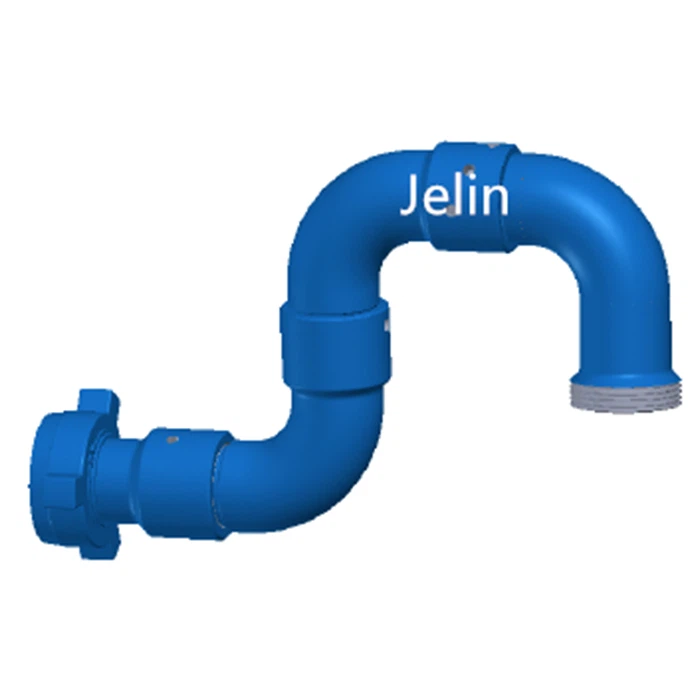
Swivel Joints are another important part of our product line. These allow for flexibility in the pipeline system, and they need to be able to rotate smoothly without any leaks. Our quality control for Swivel Joints includes testing the rotation mechanism, checking the seals, and making sure they can handle the required pressure.
And then there are Integral Fittings. These are used to connect various components in the pipeline system. We ensure that they have a proper fit, and that they're made from high - quality materials that can resist corrosion and wear.
In addition to these in - house quality control measures, we also stay updated with the latest industry standards and regulations. We participate in industry seminars and workshops to learn about new testing methods and quality control techniques. This helps us continuously improve our quality control system and ensure that our Hammer Unions and related products are of the highest quality.

So, if you're in the market for reliable Hammer Unions, Pup Joints/Loops, Swivel Joints, or Integral Fittings, you know you can count on us. Our quality control system is designed to give you peace of mind, knowing that you're getting products that are built to last. Whether you're in the oil and gas industry, the chemical industry, or any other field that requires high - pressure fluid transfer, we've got the right products for you.
If you're interested in learning more about our products or want to start a procurement discussion, don't hesitate to reach out. We're always happy to talk about how our quality - controlled products can meet your specific needs.
References
- Industry Standards for High - Pressure Fluid Transfer Components
- Technical Manuals on Manufacturing and Quality Control of Pipeline Fittings